
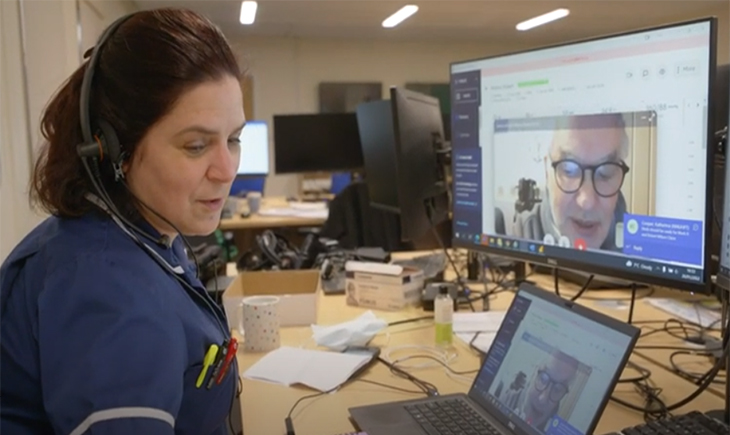
Virtual wards or Hospital at Home is a new and transformative way of delivering hospital-level care across East Sussex and offers the chance to receive hospital-level care in the comfort of our patients own home. This innovative model is helping to reduce unnecessary hospital stays, support earlier discharges, and allows a patient to recover more comfortably in familiar surroundings, leading to better outcomes.
What is a Virtual ward?
A virtual ward is a clinical service that allows you to receive the same level of care as you would get in hospital, but from the comfort of your own home. Our patients remain under the care of a specialist team enabled by technology, but instead of staying on a physical ward in hospital, they are monitored remotely and have regular contact with healthcare professionals to provide appropriate treatments at home.
At East Sussex Healthcare NHS Trust, virtual wards are already supporting patients with conditions such as heart failure, respiratory illness, frailty and general medical needs and it has gone from strength to strength over the past 2 years with the number of patients being supported increasing monthly.
How do Virtual wards work?
Patients on the virtual wards are monitored remotely using wearable devices and digital tools that track vital signs such as blood pressure, oxygen level and heart rate. This data is monitored in real time by a dedicated team of healthcare professionals. Patients also receive regular contact through phone calls, video consultations, and home visits when needed.
Each person has a personalised care plan tailored to their clinical needs and preferences. The intensity of support can be adjusted, some people may need multiple visits a day, while others are primarily monitored remotely.
The team that supports this include:
- Doctors
- Advanced Clinical Practitioners
- Nurses
- Pharmacists
- Physiotherapists
- Occupational therapists
- Dieticians
- Speech and Language Therapists
- Support Workers
- Healthcare Assistants
You’ll still be under hospital care, and if your condition changes, the team can respond quickly.
What to Expect if You’re Referred?
If you’re referred to a virtual ward, you’ll be assessed to ensure the service is appropriate for your condition and home environment. You’ll be given a monitoring kit (which may include a wearable device and a tablet) and shown how to use it. You’ll also have direct access to the clinical team, much like pressing a call bell in hospital.
You’ll still be under the care of the hospital, and your condition will be reviewed daily. When you’ve recovered enough, you’ll be formally discharged from the virtual ward, and your GP will be updated. You’ll also be given clear instructions on what to do if you feel unwell or need urgent help.
What Are the Benefits for Patients?
People on the virtual ward often tell us they feel more relaxed and recover faster at home. Some of the key benefits include:
- Comfort and familiarity: You can stay in your own bed, eat your own food, and be near loved ones.
- Better recovery: Being at home can reduce the risk of hospital-acquired infections and help maintain your strength and independence.
- Peace of mind: You’re still being closely monitored by a clinical team, with support just a phone call away.
- Flexibility: Care is tailored to your needs, and you’re involved in decisions about your treatment.
- Reduced hospital stays: Virtual wards help avoid unnecessary admissions and enable earlier discharge.
Research shows that people on virtual wards are less likely to be re-admitted to hospital and more likely to maintain their independence, which is better for you and your quality of life.
Photo credit to ESHT